01 · Under water
The underwater trail
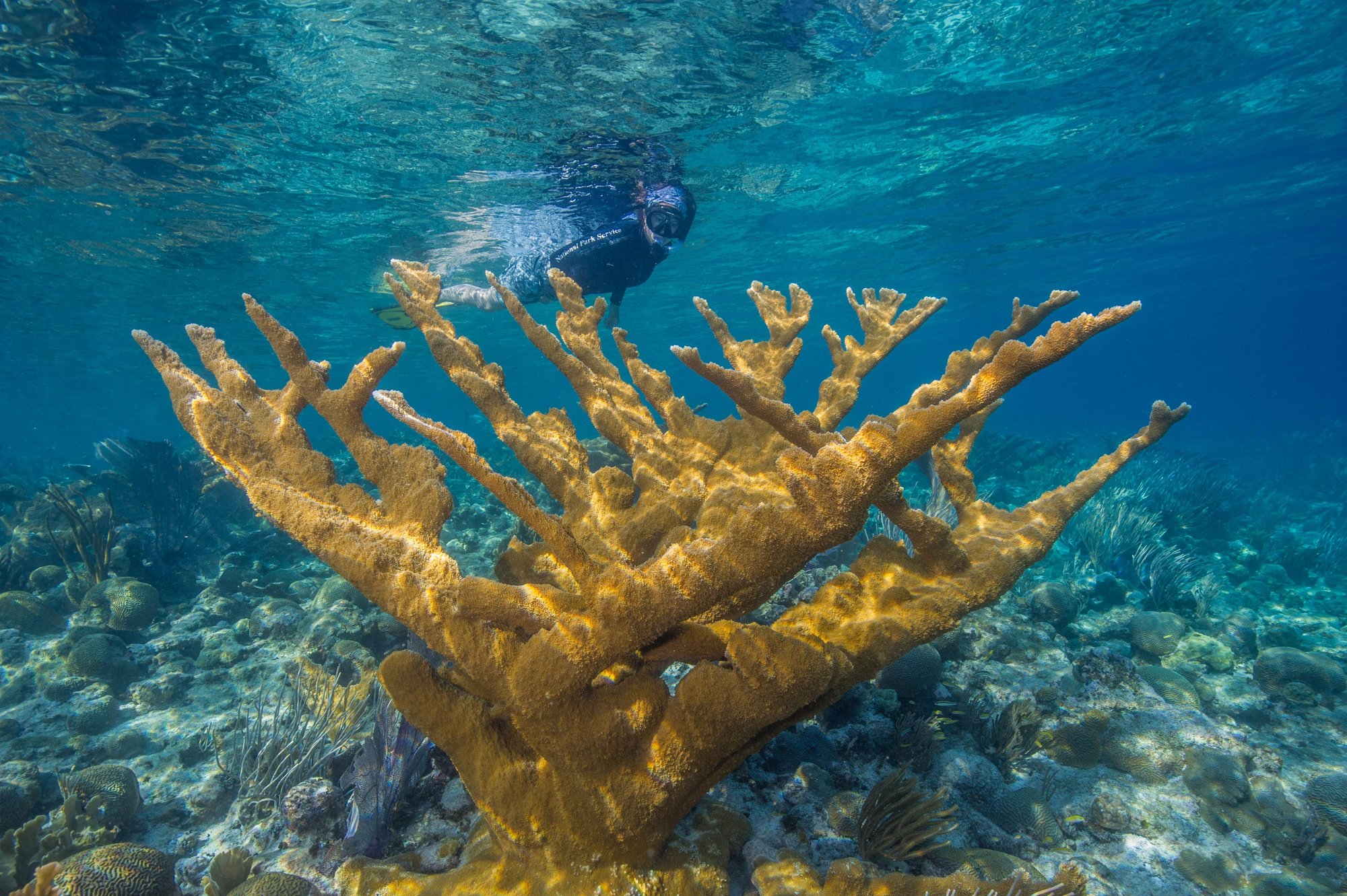
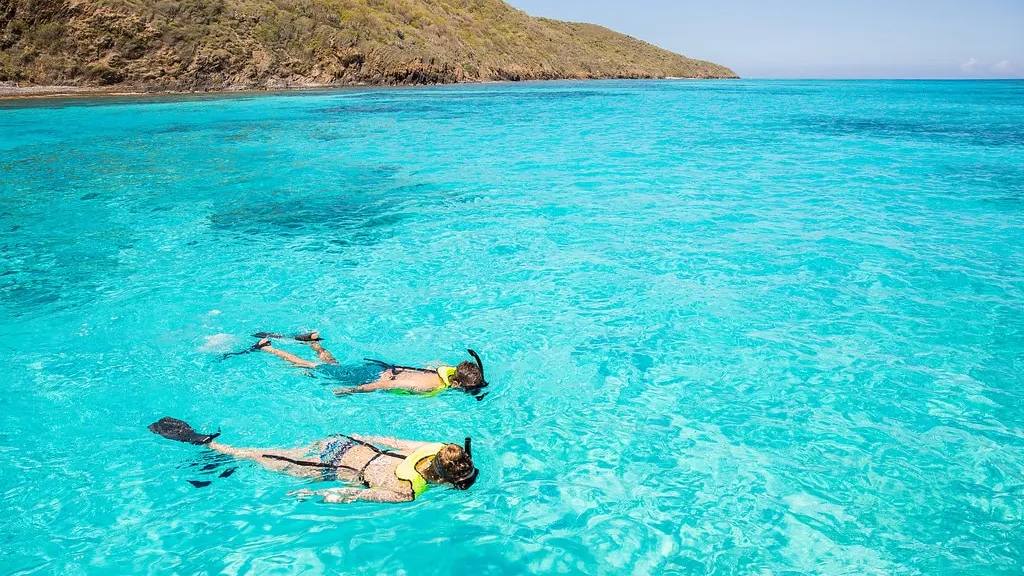
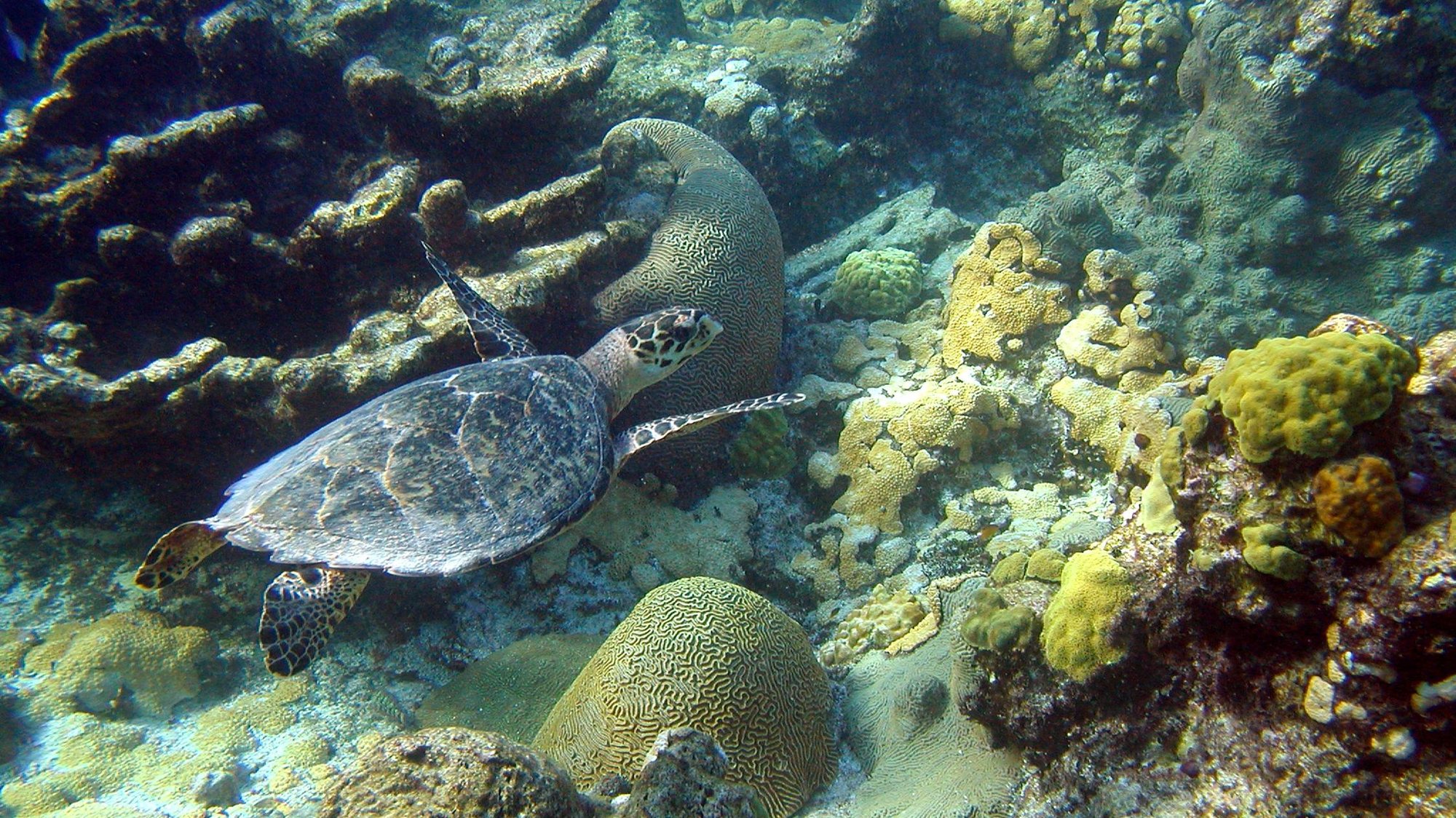
Follow the Park Service’s famous snorkel trail through coral grottoes no deeper than 12 feet, with signs telling you what you’re looking at.
Buck Island Reef National Monument · U.S. Virgin Islands
A 176-acre island 1½ miles off St. Croix, ringed by one of the most pristine barrier coral reefs in the Caribbean.
Watch the reef ↓360° video of Buck Island Reef © National Geographic. Drag, or tilt your phone, to look around. Watch on YouTube
From the crew
Buck Island will be the best day of your vacation. Everyone does an awesome job, whether you go with us or someone else. The only bad choice is not going.
Caribbean Sea Adventures, Christiansted
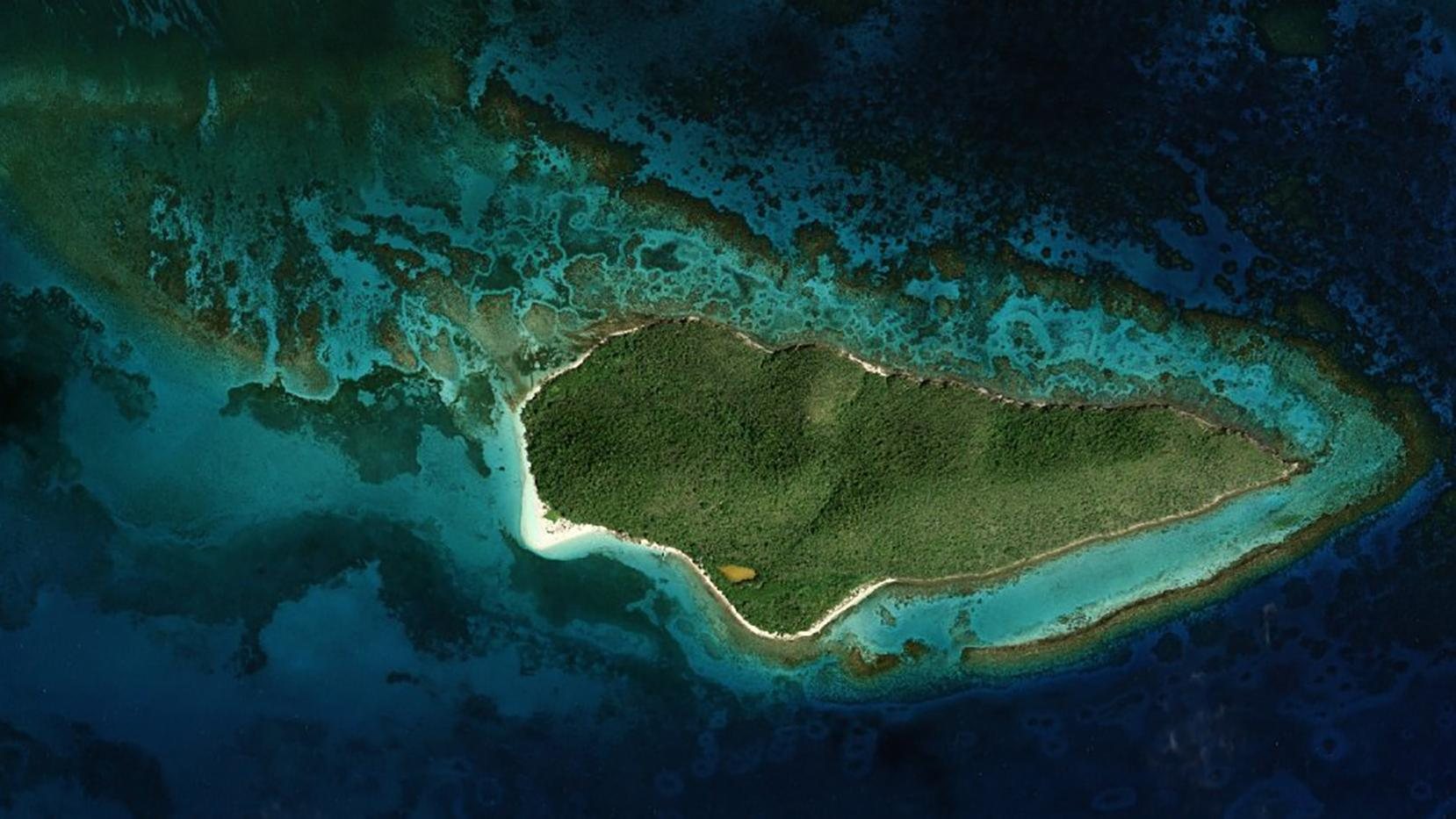
Two thirds of Buck Island is wrapped in an elkhorn coral barrier reef, unique within U.S. waters. Inside it lies a calm lagoon that seldom runs deeper than 12 feet. Above it, a dry forest of tamarind, gumbo limbo, cactus and orchids climbs to a lookout over the Caribbean.
Turtles nest on its beaches. Pelicans and least terns raise their young here. And for nearly 2,000 years, people have crossed the water to see it.
“The finest marine garden in the Caribbean Sea.”President John F. Kennedy, as quoted by the National Park Service
Ways to spend the day
Follow the Park Service’s famous snorkel trail through coral grottoes no deeper than 12 feet, with signs telling you what you’re looking at.
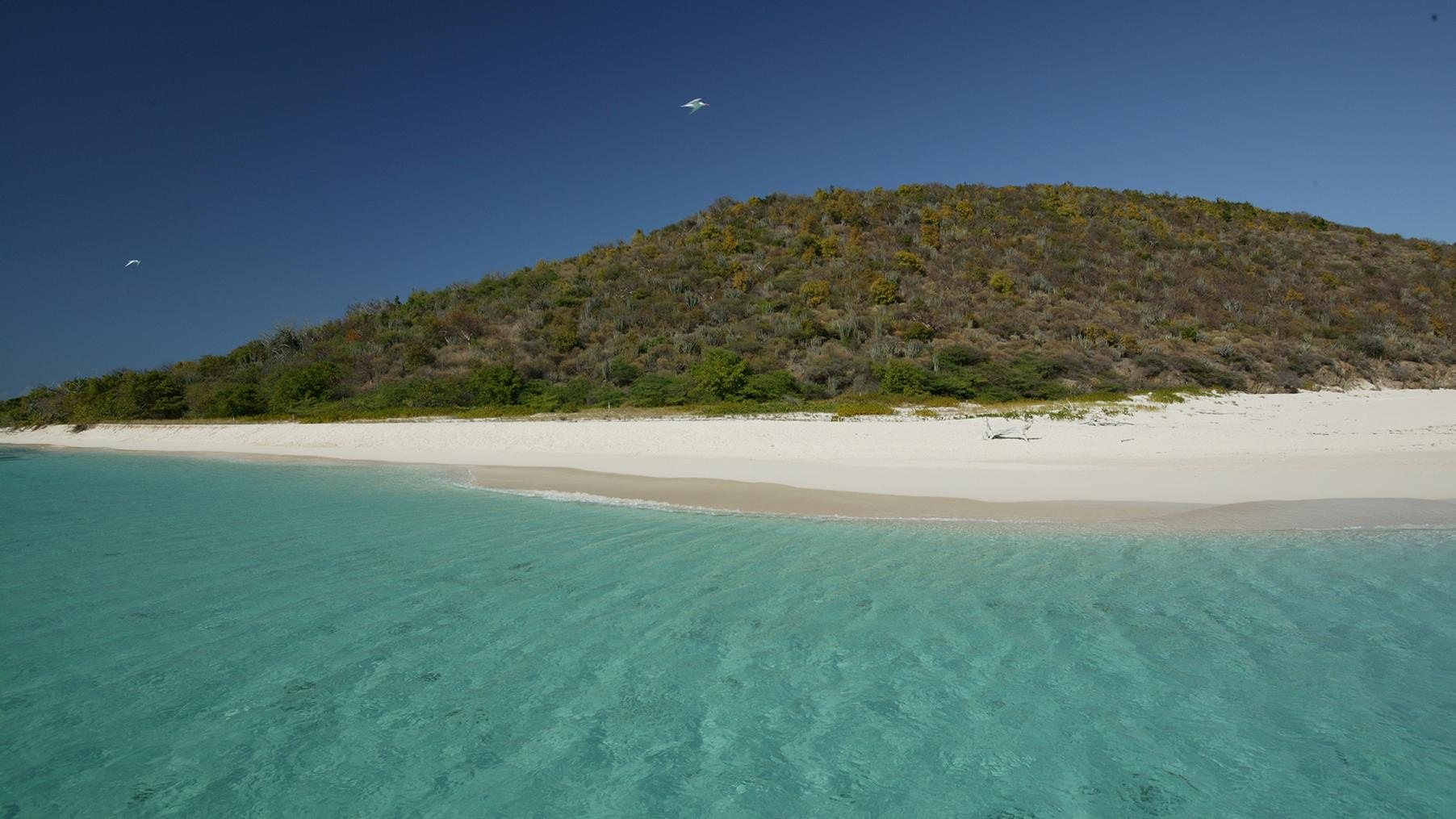
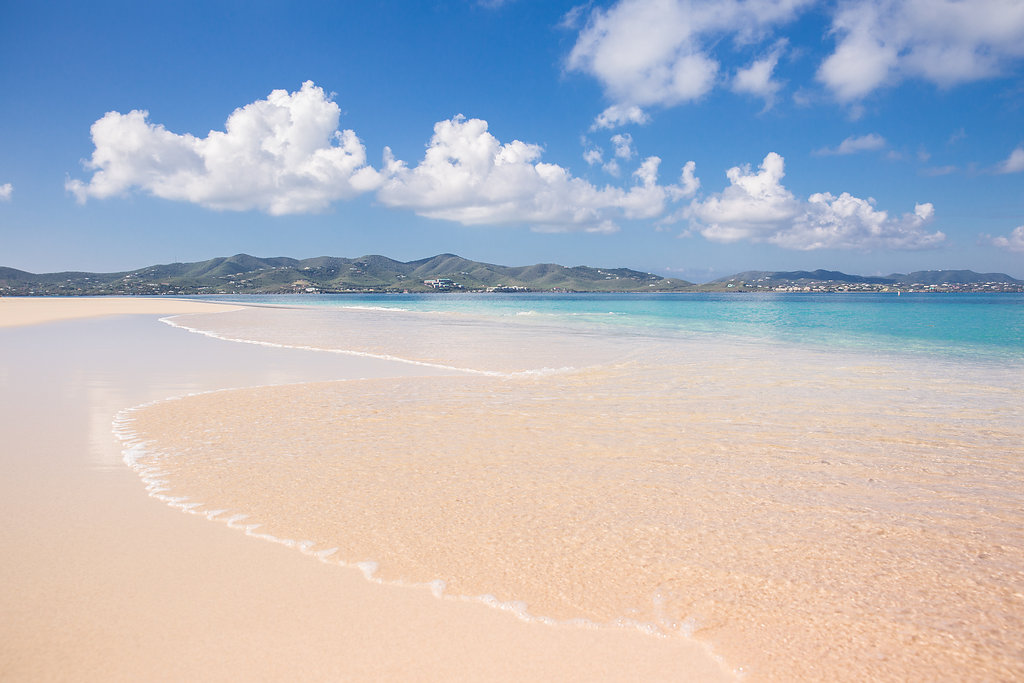
Soft sand, clear shallows and St. Croix across the channel. Picnic tables, grills and vault toilets at West Beach and Diedrichs Point.
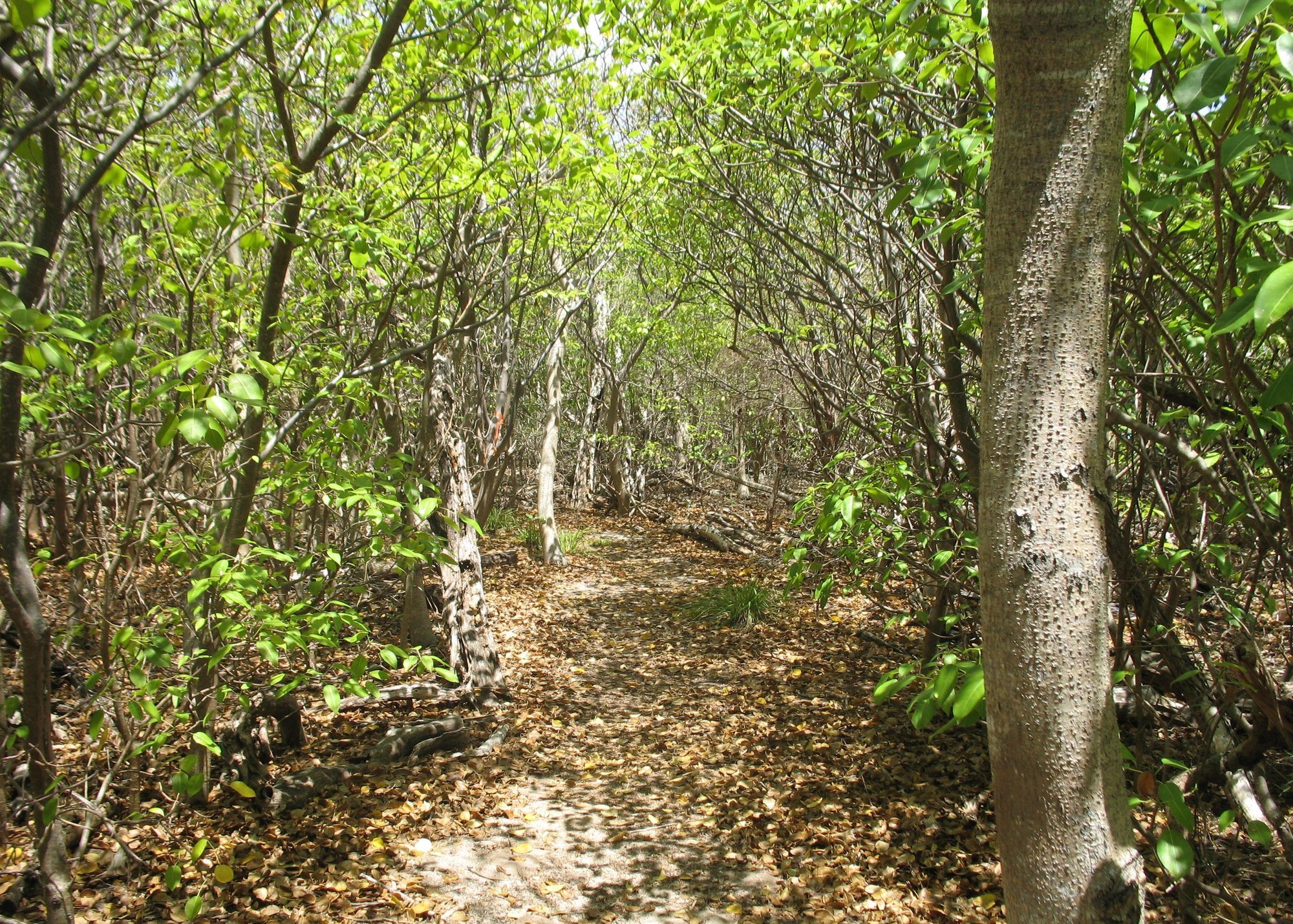
A marked trail crosses the island in about 45 minutes. It’s fairly strenuous, with a side trail to an observation deck 300 feet above the sea.
The reef
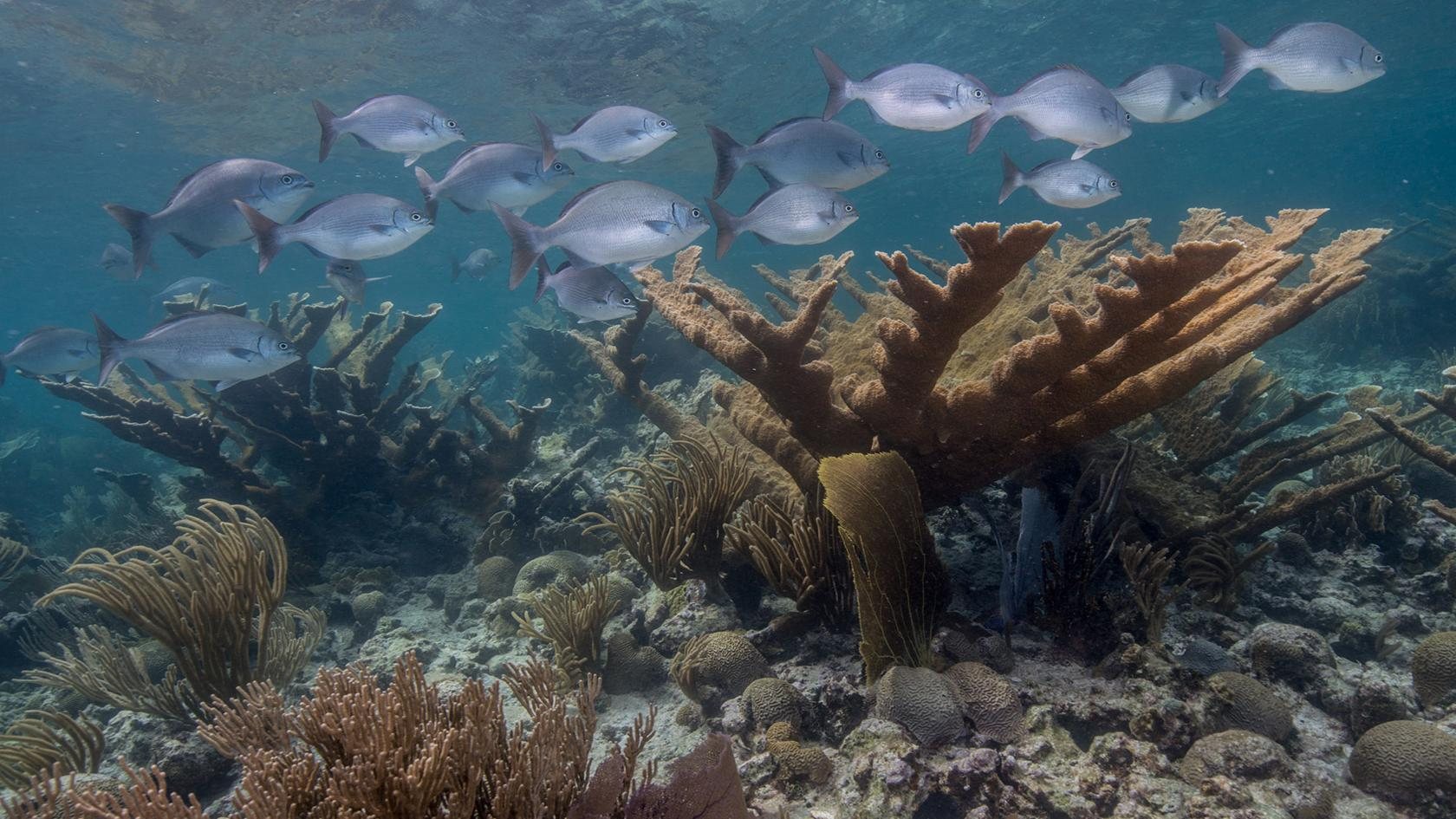
Elkhorn coral is the great builder here. Its thick branches push up to 30 feet high, and patch reefs rise nearly 40 feet to the surface. Along the north and east shore the reef curves into an arc, holding the lagoon in its arm.
The reefs you see formed within the past 7,000 years. Hurricanes and coral disease have hit them hard in recent decades, and the Park Service is watching them grow back. Look, float, and never stand on coral.
The turtles
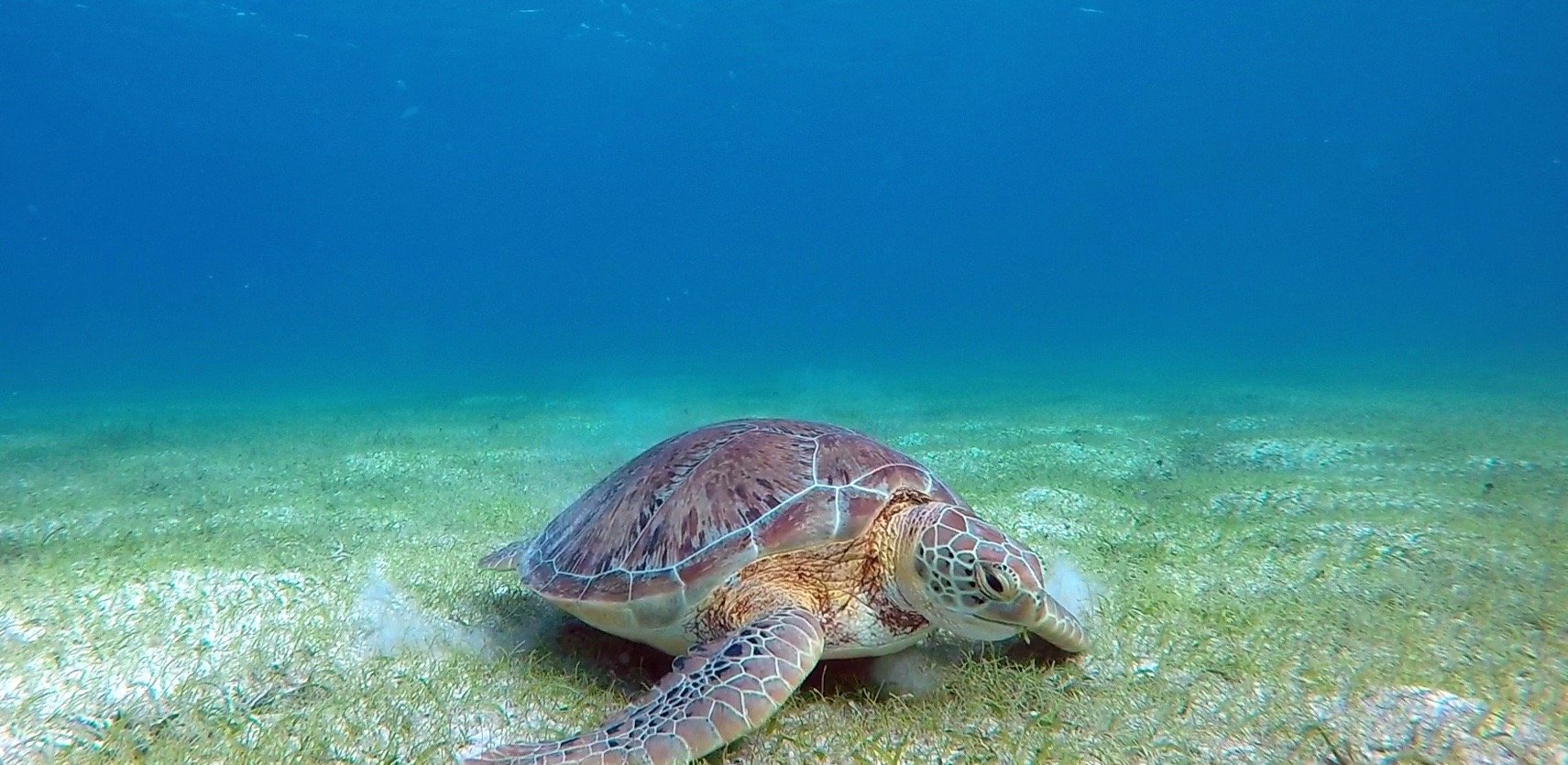
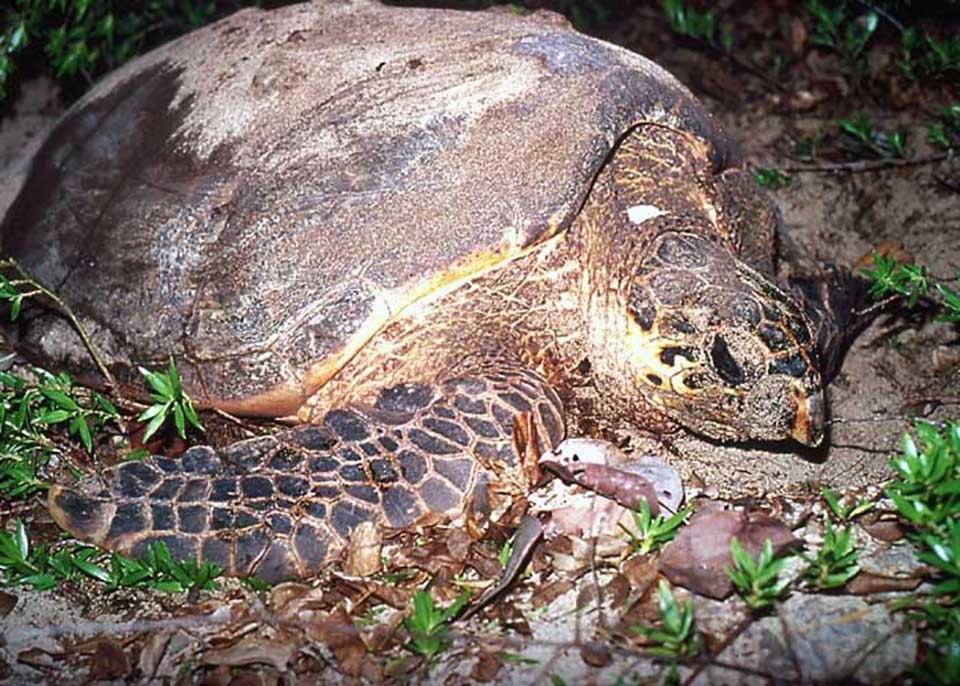
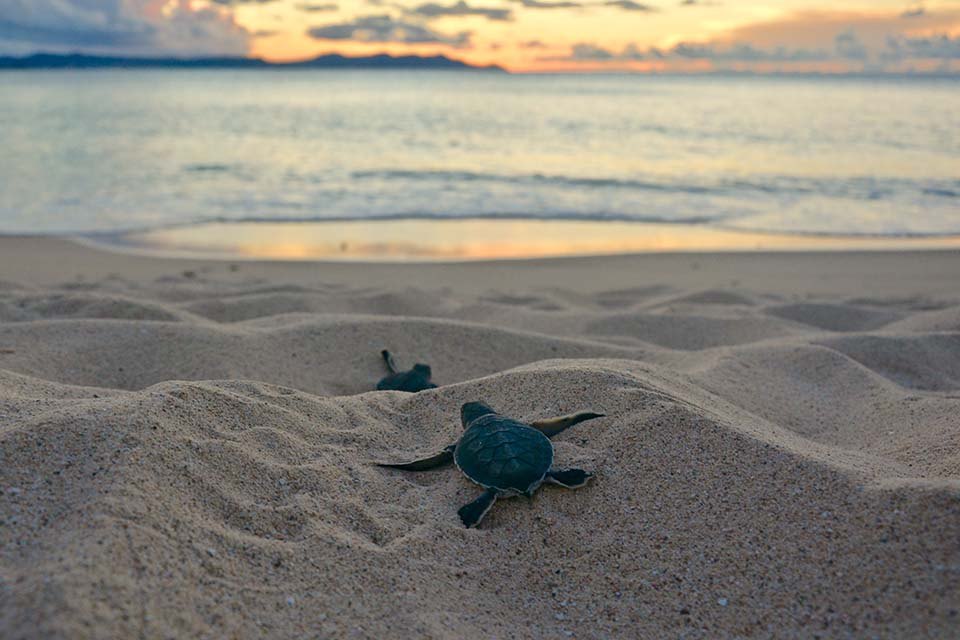
Hawksbill and green sea turtles nest on Buck Island. Since 1988, 200 individual hawksbills have been tagged nesting at the monument, and they come back every two to four years.
For over 30 years scientists have studied nesting here, training over 100 students in biology. The island closes from sunset to sunrise so the turtles have their beaches to themselves.
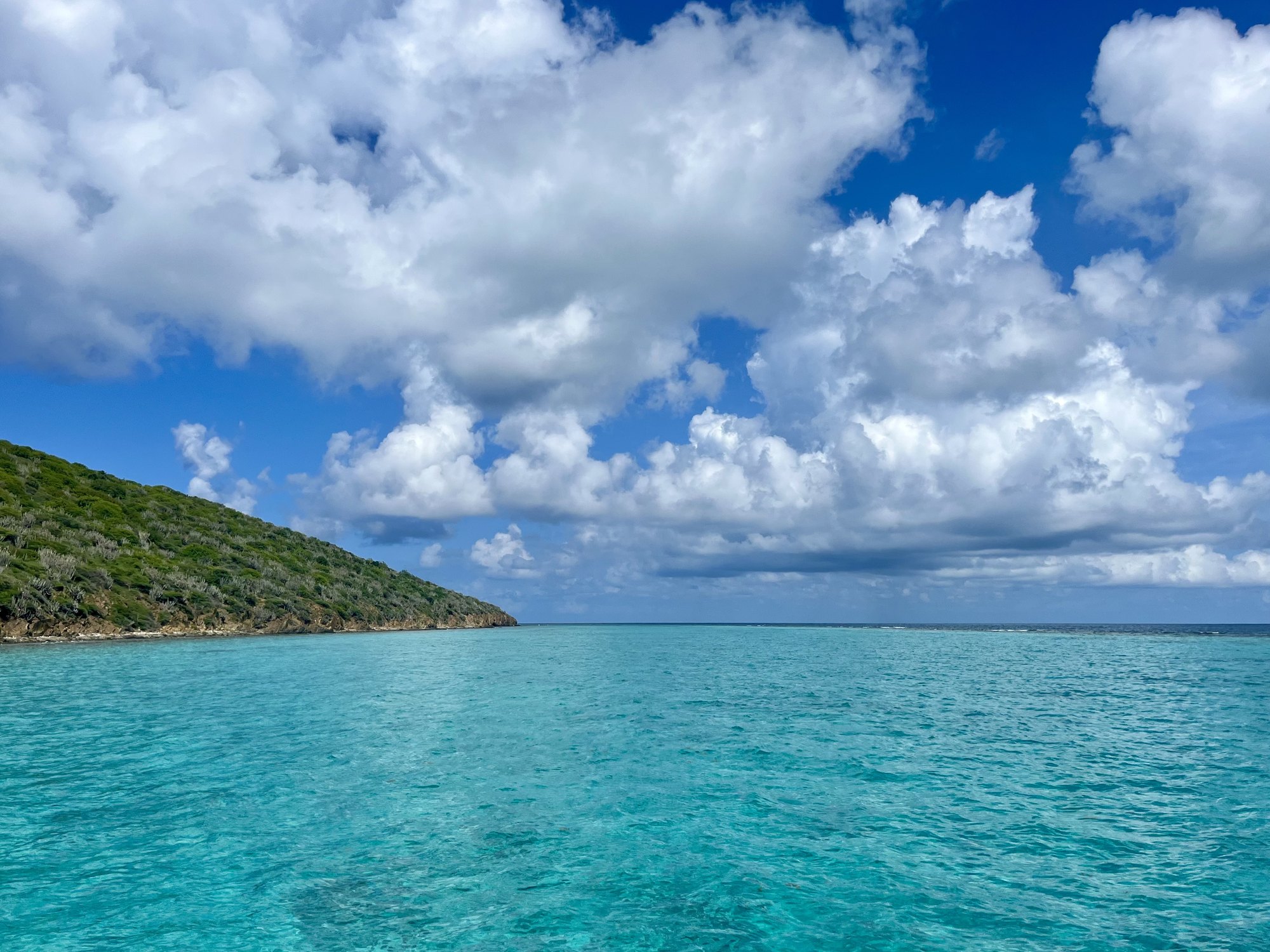
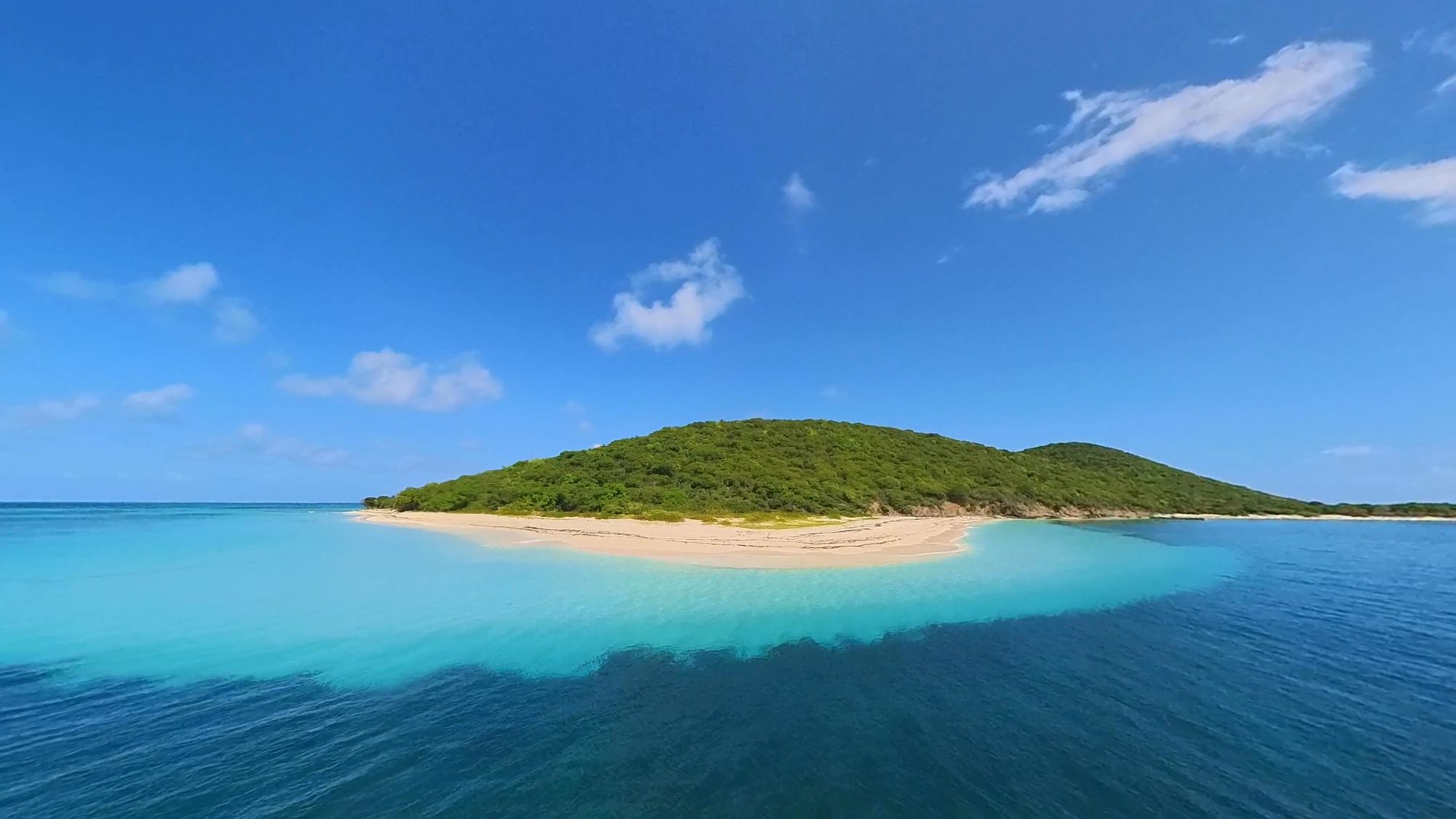
Yes, the water really is that color.
The lagoon at Buck Island.Postcards
Plan your visit
No visitor center and no services on the island. Bring water, sunscreen, and everything you’ll want for the day.
By boat only. It’s a 5.5-mile sail from Christiansted. Authorized tour boats leave from Christiansted Wharf and Green Cay Marina. The Park Service says it is illegal to hire a vessel other than an authorized concessionaire.
Every day, 7:00 a.m. to 5:00 p.m. The island and its waters close overnight to protect nesting sea turtles. No camping and no overnight anchoring.
There is no entrance fee and no pass needed.
The marked trail crosses the island in about 45 minutes at a walking pace. The Park Service calls it fairly strenuous. A side trail climbs to the observation point.
Anchor only in the marked area off West Beach, never in the lagoon. Park Service pages currently disagree on whether an anchoring permit is needed, so check the NPS permits page before you go.
Getting there
Buck Island is part of the National Park System, and only Park Service–authorized operators may carry visitors there. These are among the operators the Park Service lists. Pick the one that fits your day.
Contact details as listed by the National Park Service. For the current list of authorized concessioners, see the NPS basic information page.